When logging in for the first time, it is recommended to change the default password and create a non-root user, perform sudo permission assignment, and disable root remote login. Turn off unnecessary services and install system updates in a timely manner. Enable and configure a firewall (such as ufw/iptables/firewalld) to restrict inbound ports and only open necessary ports (such as 80/443 and SSH).
Changing the default port, restricting login users, installing fail2ban or similar tools and setting up automatic updates are all minimum requirements.
Use adduser to create a new user, configure /etc/sudoers or add the user to the sudo group, and prohibit root remote SSH login (PermitRootLogin no).
If it is a Japanese computer room facing the public network, it is recommended to enable the DDoS/traffic restriction policy (if provided) in the VPS panel at the same time.
Choose the appropriate firewall tool: ufw is commonly used in Debian/Ubuntu, firewalld or iptables can be used directly in CentOS. The basic policy is to deny inbound (DROP/REJECT) by default, allow outbound, and release necessary service ports one by one.
Execute ufw default deny incoming; ufw default allow outgoing; ufw allow 22/tcp; ufw allow 80,443/tcp; ufw enable. Use ufw status numbered to check the rules after enabling them.
Use iptables-save to persist rules, or use firewall-cmd --permanent to add rich rules. Combined with status detection (ESTABLISHED, RELATED) to reduce mis-blocking.
Be sure to test the new rules or reserve a recovery channel before modifying SSH-related rules to avoid being locked out of the server.
Perform comprehensive reinforcement in /etc/ssh/sshd_config: turn off password login (PasswordAuthentication no), enable public key authentication (PubkeyAuthentication yes), modify the default port (Port is not 22), disable root login (PermitRootLogin no), and limit the users who can log in (AllowUsers).
Generate an SSH key pair for each operation and maintenance personnel and write the public key to ~/.ssh/authorized_keys, and set permissions to 700/600. Consider using SSH-Agent with a key passphrase.
Can be combined with Google Authenticator or Duo to implement SSH secondary authentication (PAM module) to further improve security.
Using fail2ban or SSHGuard to limit the number of login attempts from the same IP and automatically ban them can effectively resist brute force cracking.
Deploy fail2ban, write filters and jail rules (jail) for sshd, and set ban time and thresholds. Combining the iptables blacklist policy with detection tools such as psad and portspoof can identify port scanning behaviors and respond.
Regularly check /var/log/auth.log or /var/log/secure, configure logwatch or ELK for centralized alarms, and immediately investigate and ban the source IP after abnormal login is found.
Use port knocking or change the SSH port and cooperate with the firewall whitelist to only allow the management IP to access SSH, which can significantly reduce the probability of being scanned.
If the Japanese VPS provider has a WAF or protection panel, enable the corresponding function and set up a black and white list to cooperate with computer room protection to reduce targeted attacks.
Common measures include timely system and software updates, applying the principle of least privilege, shutting down unnecessary services, regular backups and drill recovery, deploying intrusion detection (AIDE/OSSEC) and third-party security scans (vulnerability scanners).
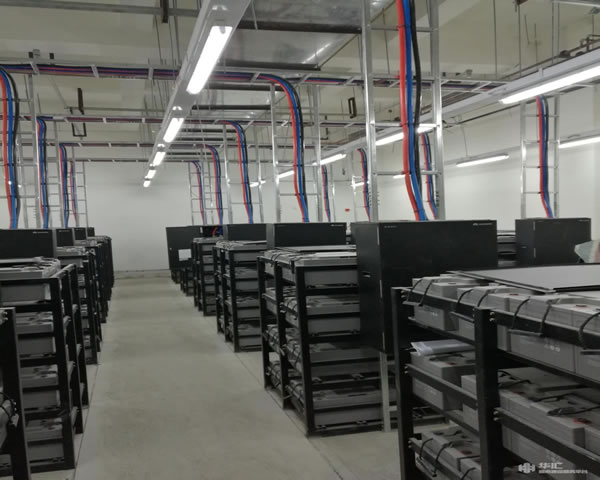
Implement automated off-site backup (separation of database and files), regularly verify backup availability and record recovery processes.
Enable HTTPS, HSTS, and HTTP security headers for web services, and use WAF to protect against common web vulnerabilities (SQL injection, XSS).
Configure monitoring alarms (Prometheus/Grafana or cloud monitoring), and keep audit logs to track intrusion events and analyze root causes.
- Latest articles
- Popular tags
-

How To Find And Identify High-quality Dayz Japanese Server Names And Server Styles
detailed steps teach you how to find and identify high-quality dayz japanese servers on steam/in-game/third-party sites, including practical guides such as filtering keywords, checking mods/rules, testing latency and stability, joining observation and community verification, etc. -

Community Experience Sharing: Free Japanese Server Websites With Real Users; Summary Of User Reviews And Genuine Feedback
Community experience sharing: Detailed step-by-step guides on how to find and verify free Japanese servers, set up live services, or access live websites, along with real user reviews, precautions, and FAQs. Includes registration, configuration, speed testing, security, and long-term usage recommendations. -

Understand The Use Value And Advantages Of Japanese Native Ip
this article explores the value and advantages of using japanese native ip in detail, and provides practical steps and detailed guidance.